Old Kent Road gardening services Southwark quick pruning visits: a practical guide for tidy, fast garden care
If your front border has started to look a bit wild, or a hedge is creeping over the path again, you are probably not after a huge landscaping project. You want something quicker, cleaner, and easier to fit into a busy week. That is exactly where Old Kent Road gardening services Southwark quick pruning visits come in. They are the kind of short, focused visit that restores shape, keeps growth under control, and stops small jobs turning into bigger ones.
In a place like Old Kent Road, where gardens can be compact, exposed to foot traffic, and squeezed between day-to-day life, a quick pruning visit can make a surprisingly big difference. This guide explains what these visits are, how they work, when they make sense, and how to get the best result without overcomplicating the job. I'll also cover common mistakes, practical checklists, and what to ask before you book. Simple, useful, no fluff.
Why Old Kent Road gardening services Southwark quick pruning visits Matters
A pruning job rarely arrives at the perfect time. Growth does not wait until your diary is clear. One week the shrubs look manageable; the next, branches are brushing windows, blocking light, or making a pavement edge feel awkward. Quick pruning visits matter because they deal with the kind of maintenance that is easy to postpone but annoying to ignore.
For homes, rental properties, small commercial forecourts, and communal spaces around Old Kent Road, fast pruning is often the most sensible way to stay on top of a garden. It keeps things neat between larger seasonal works and helps avoid that "it suddenly looks messy" moment. You know the one. You glance outside, and the garden seems to have grown overnight. Not literally, of course, but close enough.
There is also a practical side. Overgrown plants can reduce visibility, affect access, create a cluttered feel, and make routine care harder. A short pruning visit can reset the space without the disruption of a full clearance or major reshaping job. For many people, that balance is the whole point.
At a local level, quick pruning visits are also useful because Southwark properties often vary a lot in layout. Some have tiny front plots, some shared access, some narrow rear gardens with awkward entry points. A short, targeted visit is often easier to schedule and less intrusive than a full day's work. That makes life easier for residents and, frankly, for the neighbours too.
Expert summary: Quick pruning is not about cutting everything back hard. It is about timely, controlled reduction that protects plant health, improves appearance, and keeps the garden workable.
How Old Kent Road gardening services Southwark quick pruning visits Works
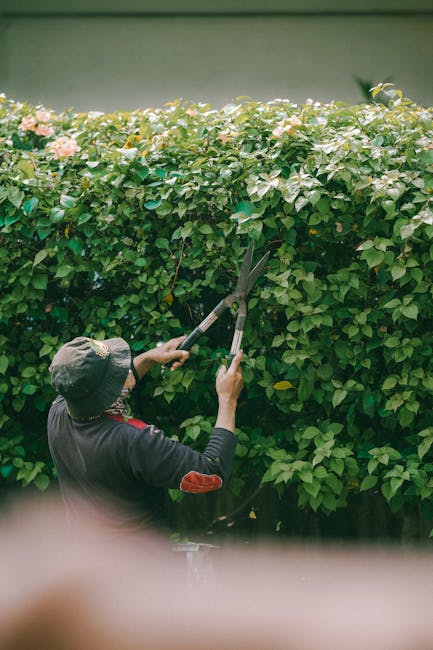
A good quick pruning visit usually starts with a brief look at what needs attention most urgently. That might be a hedge edging into a walkway, roses that need deadheading, a shrub blocking a window, or summer growth that is starting to sprawl. The aim is to complete the useful work efficiently, without turning the visit into an overcomplicated project.
In practice, the process often looks like this:
- Initial assessment: The gardener checks the plants, the access, and the overall condition of the space.
- Priority setting: The most visible or pressing growth is dealt with first.
- Selective pruning: Branches, stems, and shoots are trimmed carefully to improve shape and airflow.
- Light tidy-up: Cuttings are collected, edges are neatened, and the area is left clean.
- Optional follow-up advice: You may be told which plants need a fuller seasonal cut later on.
This is not the same as a heavy reduction or tree surgery, and it should not pretend to be. A quick visit works best when the goal is routine control. If the job has become too large, the honest thing is to say so and plan something more substantial. That honesty matters.
Depending on the garden, the visit may also include a little bit of coordinating around other services. For example, if pruning reveals a lawn that has been neglected, it may make sense to pair future visits with lawn mowing or broader garden maintenance. If hedges are the main issue, hedge trimming can be the better fit. The right service depends on what the garden actually needs, not just what sounds tidy in a headline.
Key Benefits and Practical Advantages
The appeal of a quick pruning visit is not just that it is fast. It is that it solves multiple problems at once without dragging the whole day away. That is especially useful if you live on or near Old Kent Road, where people often want an efficient appointment window and minimal mess.
- Better kerb appeal: A trimmed front garden looks calmer, cleaner, and more cared for.
- Improved light and space: Cutting back overgrowth can open up windows, paths, and seating areas.
- Healthier plants: Light, selective pruning can encourage strong structure and reduce congestion.
- Lower risk of nuisance growth: Regular control helps stop branches from becoming a problem later.
- Less disruption: Quick visits are easier to arrange around work, family life, or tenants.
- More predictable upkeep: Smaller jobs are easier to manage than big seasonal catch-up work.
One practical benefit people overlook is confidence. A garden that is under control tends to stay under control. Once growth gets ahead of you, the job feels bigger than it is. A small visit breaks that cycle.
There is also a financial angle, though it should be handled carefully. Smaller pruning jobs usually take less time and fewer resources than major remedial work, so they are often a more economical way to maintain a property. For pricing clarity, it helps to review pricing and quotes before you book, especially if you are comparing one-off visits with regular upkeep.
Who This Is For and When It Makes Sense
Quick pruning visits are a good fit for a lot of people, but they are particularly useful for anyone who wants tidy results without a major overhaul. If that sounds obvious, fair enough. But the real value is in the timing.
You may need this kind of service if you are:
- a homeowner keeping a front or back garden presentable
- a landlord preparing a property for viewings or new tenants
- a business owner maintaining a neat frontage
- an older resident who wants regular help with manageable jobs
- someone returning from holiday to find the garden has taken off a bit
- planning a larger project and needing the space cleared enough to assess it properly
It also makes sense when the garden is not in bad shape overall, but a few plants are getting unruly. A quick pruning visit can be the right answer when you do not need planting, redesign, or structural changes. If the site needs more than trimming and shaping, then a bigger service might be better. In that case, it is worth looking at services overview or even broader landscape gardening support.
To be fair, not every garden should be cut quickly. Some plants need seasonal timing, some shrubs flower on old wood, and some trees should be left to a qualified specialist. If you are not sure, ask before anything is cut. That little pause can save a lot of regret later.
Step-by-Step Guidance
Here is a sensible way to approach a quick pruning visit, whether you are booking the work or preparing for it.
1. Walk the garden first
Start by looking at the whole space, not just the obvious overgrown bit. The best pruning decisions are made when you understand the layout, the access, and what is actually causing the mess. Is it a hedge? A climber? A few shrubs leaning into the path? Small detail, big difference.
2. Identify what really needs cutting
Decide what is urgent and what can wait. A branch scraping a wall is urgent. A shrub that is slightly untidy is usually not. This is where restraint matters. More cutting is not automatically better.
3. Choose the right kind of pruning
There is a difference between shaping, thinning, deadheading, and reduction. In plain English: shaping improves appearance, thinning improves airflow, deadheading removes spent flowers, and reduction brings the size down a little. If you want the plant to recover well, the right method matters more than the speed.
4. Check for nesting or wildlife concerns
In the UK, good practice means being careful around birds and other wildlife, especially in nesting season. If there is any sign of active nesting, the job should be adjusted. It is better to be cautious than sorry. No one wants to create a problem while trying to solve one.
5. Carry out selective cutting
A skilled gardener will trim with intention, removing the problem growth while keeping the plant balanced. This is where experience shows. Cut too much and the plant can look stark. Cut too little and you have paid for a tidy-up that barely moved the needle.
6. Clear and inspect the result
Once the work is done, the area should be cleared of clippings and checked from different angles. A hedge viewed from the front can look fine, but from the side it may still have an awkward bulge. A second look catches those little issues.
7. Note follow-up needs
Some plants will need a deeper seasonal cut, feeding, or further attention later. Keeping a simple note of what was done and what needs future work helps avoid guesswork next time.
If the garden is messy as well as overgrown, pruning may work best alongside garden clearance. That is often the case after a storm, a long holiday, or a spell of neglect. And yes, sometimes life just gets in the way. Happens to everyone.
Expert Tips for Better Results
Good pruning is as much about judgment as it is about tools. Here are a few field-tested tips that help produce cleaner, healthier results.
- Prune with a purpose: Every cut should support shape, health, or access. If it does not, leave it.
- Work from the outside in: It is easier to remove small amounts gradually than to overcut and hope for the best.
- Keep sightlines in mind: Around entrances and paths, visibility matters as much as appearance.
- Do not flatten everything: A garden can look overworked when all texture is removed.
- Plan around flowering times: Some shrubs should be cut after flowering, not before.
- Use the right follow-up: A quick prune may need future hedge care, mowing, or seasonal maintenance to stay effective.
A small detail that often improves the result: step back every few minutes. Literally. What looks tidy at arm's length can still feel uneven from the pavement or kitchen window. In our experience, that extra glance catches most of the little awkward bits before they become visible to everyone else.
If you are arranging work for a rental or managed property, it can also help to review the provider's approach to health and safety policy and insurance and safety. It is not glamorous reading, no, but it tells you a lot about how seriously the work is handled.
Common Mistakes to Avoid
Quick pruning seems simple until it is done badly. Then it becomes obvious, usually from the window you stare out of twice a day. Here are the mistakes that cause the most trouble.
- Cutting too hard too fast: Heavy pruning can shock some plants and leave them looking sparse for months.
- Ignoring the plant type: Different shrubs, climbers, and trees behave differently.
- Leaving awkward stubs: Rough cuts can look untidy and may not heal well.
- Skipping cleanup: A tidy cut with clippings left behind still feels unfinished.
- Using a quick visit for a major job: If the garden is badly overgrown, be honest about the scale.
- Forgetting the seasonal timing: Some pruning windows are more suitable than others.
A very common one is assuming a bit of chopping is always safe. It is not. Some plants bounce back quickly; others sulk. Some recover with vigour; others just sit there looking offended. Gardens have opinions, basically.
Another mistake is booking only on price and ignoring service scope. If you need a neat, quick result, make sure the visit includes enough time for proper finishing and waste removal. Otherwise you can end up with a half-solved problem, which is worse than a messy one because now you know it could have been better.
Tools, Resources and Recommendations
You do not need a giant toolkit for a short pruning visit, but the right tools make a visible difference. Clean cuts, safe handling, and tidy results all depend on using equipment that suits the job.
| Tool or resource | Best use | Why it helps |
|---|---|---|
| Hand secateurs | Small stems and precise cuts | Gives control and avoids crushing soft growth |
| Long-handled loppers | Thicker branches within reach | Reduces strain and improves leverage |
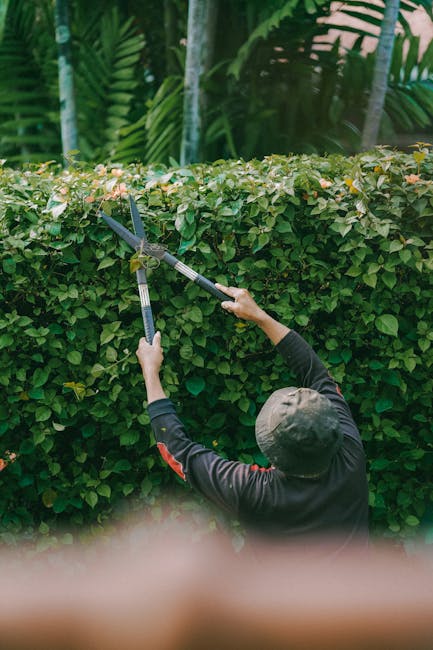
| Hedge shears | Light shaping of hedges and soft growth | Helps create a clean line |
| Pruning saw | Thicker woody stems | Useful when loppers are not enough |
| Waste sacks or containers | Collecting cuttings | Keeps the area tidy and speeds up cleanup |
| Plant identification notes | Checking what should be pruned and when | Prevents the wrong cuts at the wrong time |
For readers managing ongoing outdoor care, one useful habit is to pair pruning with a broader maintenance plan. That may mean rotating between hedge work, mowing, and seasonal tidy-ups. The idea is not to over-service the garden. It is to stop small jobs from ganging up on you.
If sustainability matters to you, check how clippings and green waste are handled. The provider's approach to recycling and sustainability can be a useful sign of how carefully they operate. It is one of those unflashy details that speaks volumes.
Law, Compliance, Standards, or Best Practice
Pruning work in London should be approached with sensible care, even when the job is small. The main point is simple: avoid damage, avoid unnecessary disturbance, and work within accepted horticultural practice.
In practical terms, that means:
- checking for nesting birds or signs of wildlife use before cutting
- being careful around protected or mature trees
- using safe access methods for higher branches rather than improvising
- disposing of garden waste responsibly
- being transparent about what the job includes and excludes
If a tree is involved, pruning may no longer be the right term at all. You may need specialist assessment, and in some cases a more technical service such as tree lopping and removal. That should be judged carefully. Trees are not the place for guesswork.
It is also sensible to understand business terms before work begins. Reviewing terms and conditions and payment information such as payment and security can prevent misunderstandings. Clear expectations protect both sides, which is just good practice really.
Options, Methods, or Comparison Table
Not every garden needs the same approach. If you are deciding between a quick pruning visit and a broader service, the comparison below should help.
| Option | Best for | Typical outcome | When to choose it |
|---|---|---|---|
| Quick pruning visit | Light overgrowth, shaping, access issues | Fast tidy-up and improved structure | When the garden is mostly fine but needs control |
| Routine garden maintenance | Ongoing care across several tasks | Steady improvement and lower build-up of work | When you want regular upkeep rather than one-off fixes |
| Hedge trimming | Defined hedges, privacy screens, boundary lines | Straightened edges and neater form | When hedges are the main visual issue |
| Garden clearance | Heavy mess, neglected plots, post-tenant or post-storm jobs | Space opened up and waste removed | When the garden has gone beyond simple pruning |
| Landscaping or redesign | Layout changes, access improvements, planting changes | More structural transformation | When you want the garden function or look to change |
If you are torn between pruning and clearance, ask yourself one honest question: is this mainly a shape problem or a neglect problem? That usually tells you where to go next.
Case Study or Real-World Example
A typical local example would be a small front garden off Old Kent Road where a laurel shrub has started pushing into the pavement line, a rose bush is looking leggy, and the path feels narrower than it should. Nothing dramatic. Just enough to make the house look a bit tired.
In that sort of situation, a quick pruning visit can make a noticeable shift in under a day. The shrub is cut back selectively, the rose is tidied, the edges are rebalanced, and the clippings are removed. Suddenly the entrance feels more open. Light reaches the front window again. The space breathes a little. It is a small change, but it changes how the whole property feels when you arrive home in the evening.
Now, if the same garden had brambles, old pots, broken fencing, and a lawn that had disappeared under weeds, pruning alone would not be enough. You would probably be looking at a clearance first, maybe followed by ongoing maintenance or a larger planning discussion. That distinction is what keeps the service useful instead of superficial.
And yes, there is a real satisfaction in seeing a space go from "bit of a state" to "right, that's better" in one tidy visit. Not every job needs drama.
Practical Checklist
Use this checklist before booking or receiving a pruning visit.
- Identify the main plants that need cutting
- Decide whether the job is light pruning or something larger
- Check whether access is clear for tools and waste removal
- Confirm if any trees are involved
- Look for nesting birds or wildlife concerns
- Ask whether cleanup is included
- Clarify whether the visit is one-off or part of ongoing care
- Review pricing and scope before the work starts
- Make sure the provider can explain what will and will not be pruned
- Keep a note of any follow-up maintenance needed
Quick takeaway: the best pruning visit is the one that solves the immediate problem cleanly, protects plant health, and leaves you with a plan for what comes next.
Conclusion
Old Kent Road gardening services Southwark quick pruning visits are a smart choice when you want the garden to look under control without committing to a full-scale job. They are practical, efficient, and ideal for the real-world messiness of urban outdoor spaces: the overgrown hedge, the heavy shrub, the path that has quietly narrowed over time.
The key is to use pruning for what it is good at. Shape, control, access, and tidy presentation. Not everything needs to be cut hard, and not every garden needs a major intervention. Sometimes the best result is simply a neat, timely visit that makes the space feel manageable again.
If you want to go further, build from pruning into a wider routine of maintenance, hedge care, lawn care, or clearance where needed. That is usually how you keep a Southwark garden looking good without turning every season into a rescue mission.
Get a free quote today and see how much you can save.
And if the garden has been bothering you for weeks, take that as a sign. A small, well-timed visit can do more than you think. Honestly, it often feels like getting your outdoor space back.
Frequently Asked Questions
What is included in a quick pruning visit?
Usually, it includes light cutting, shaping, deadheading, and a tidy-up of the affected area. The exact scope depends on the plants and the time available, so it is worth confirming what is included before work starts.
How do I know if I need pruning or hedge trimming?
If the problem is mainly general plant overgrowth, pruning is often the better fit. If the issue is a defined hedge that needs straightening or reducing, hedge trimming is usually more appropriate.
Can a quick visit handle badly overgrown gardens?
Sometimes it can help, but if the garden is heavily neglected, pruning alone may not be enough. In that case, a clearance or broader maintenance plan is often the better route.
Is pruning safe for all plants?
No, not all plants should be pruned the same way or at the same time. Some need seasonal timing, and some need only light trimming. A careful assessment first is the safest approach.
How often should pruning visits be scheduled?
That depends on the growth rate, plant type, and how neat you want the garden to stay. For many gardens, occasional light visits between fuller seasonal works are enough.
Do quick pruning visits include waste removal?
They often do, but not always. It is sensible to ask whether clippings and green waste are collected and removed as part of the service.
What should I do before the gardener arrives?
Clear access paths if you can, move fragile items, and point out any plants you want left alone. A quick conversation at the start saves confusion later.
Are there any wildlife concerns with pruning?
Yes. In the UK, it is wise to check for nesting birds and other wildlife before cutting. If there are signs of active nesting, the job should be adjusted or delayed.
Can pruning improve the health of shrubs and hedges?
Yes, when it is done carefully. Selective pruning can improve airflow, remove damaged growth, and support a better shape. But overcutting can do the opposite, so method matters.
What is the difference between pruning and cutting back?
Pruning is usually selective and controlled, aimed at shaping or health. Cutting back can be more general or more severe. The terms are sometimes used loosely, but the actual approach can be very different.
How do I compare providers for quick pruning visits?
Look at how clearly they explain scope, safety, cleanup, and pricing. It also helps if they can point you toward related services like garden maintenance when ongoing care makes more sense.
When should I choose a larger service instead?
If the garden needs clearing, redesign, or major reshaping, a bigger service is usually the smarter choice. Quick pruning is best when the aim is control and tidy presentation rather than transformation.
How do I get the best value from a pruning visit?
Be clear about priorities, choose the right service scope, and group small jobs together where sensible. A well-planned short visit often gives better value than a rushed, unclear one.