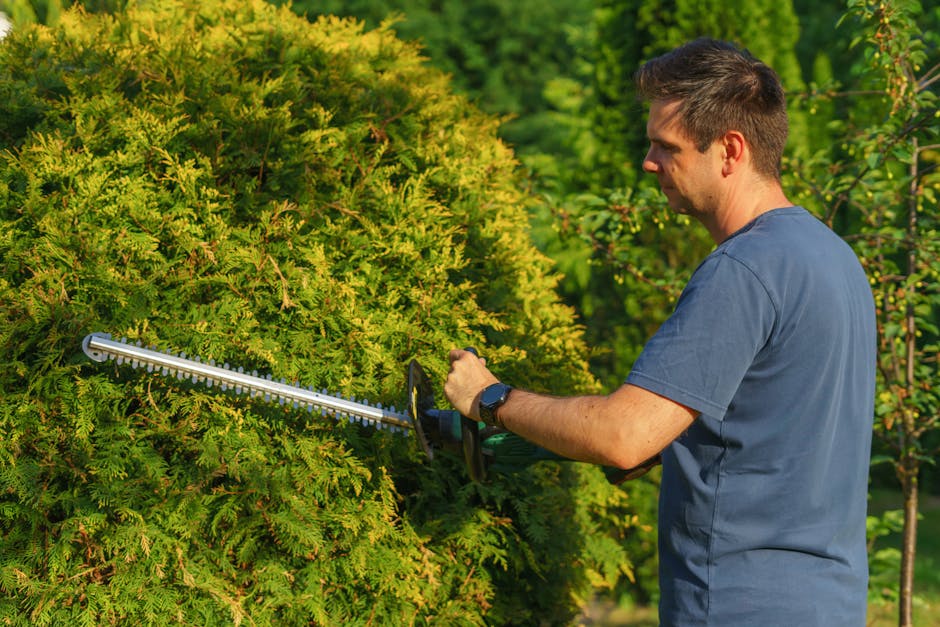
Same day gardeners Southwark for urgent hedge emergencies: fast help when a hedge can't wait
If a hedge has suddenly become a problem, you usually know it straight away. A branch is leaning into the path, a storm has ripped a section loose, or a neighbour has pointed out that the front boundary is spilling over the pavement. In those moments, Same day gardeners Southwark for urgent hedge emergencies is not a luxury; it's the practical answer to a messy, sometimes risky situation.
This guide explains what urgent hedge call-outs actually involve, how same-day garden help in Southwark tends to work, when it makes sense to book fast, and what to check before anyone starts cutting. You'll also find a checklist, a comparison table, and a few grounded tips that can save you time, hassle, and a bit of money as well.
For a fuller view of wider outdoor care, it can help to look at the broader services overview and the team's approach on about us. But first, let's deal with the hedge emergency itself.
Table of Contents
- Why same-day hedge help matters
- How same-day hedge emergency visits work
- Key benefits and practical advantages
- Who this is for and when it makes sense
- Step-by-step guidance
- Expert tips for better results
- Common mistakes to avoid
- Tools, resources and recommendations
- Law, compliance, standards, or best practice
- Options, methods, or comparison table
- Case study or real-world example
- Practical checklist
- Conclusion
- Frequently asked questions
Why Same day gardeners Southwark for urgent hedge emergencies Matters
Hedges look harmless until they suddenly aren't. A sharp gust, a heavy rain spell, or a period of neglected growth can turn a tidy border into something that blocks access, looks untidy, or starts to feel unsafe. In a dense part of London, that can matter more than people expect. A hedge leaning over a narrow front garden path, shared driveway, or pavement can create a nuisance very quickly.
Same-day help matters because hedge problems tend to escalate. A broken stem can tear further. A hedge that is only slightly overgrown in the morning can become a snagging hazard by evening if the weather turns again. And let's face it, once a hedge starts shedding debris after a storm, you don't really want to leave it until next week.
There is also the social side of it. In Southwark, where properties sit close together and space is precious, an untidy or damaged hedge can affect neighbours, visibility, and how easily people can move around the frontage. If the hedge is affecting access to a driveway, a side gate, or shared boundary, same-day attention can prevent a minor issue becoming a proper row. Nobody enjoys that conversation over the fence.
Urgent hedge work is not always about appearance. Sometimes it's about making the area safe again. A hanging branch, a split hedge stem, or a collapsed section after wind damage needs prompt attention, even if the final tidy-up can wait. In those cases, the immediate goal is stabilising the problem, not creating a show-garden finish on the spot.
Expert summary: urgent hedge care is about fast risk reduction first, cosmetic perfection second. If the hedge is unsafe, obstructing access, or visibly damaged, same-day action is often the sensible move.
How Same day gardeners Southwark for urgent hedge emergencies Works
Same-day hedge emergency work usually follows a simple pattern. It starts with a quick assessment, then moves into practical action, then finishes with a tidy-up and advice for next steps. The exact process can vary, but the shape of it is usually the same.
1. Initial contact and problem description
You explain what has happened: storm damage, overgrowth, broken stems, access blocked, or a hedge pressing into a path or fence line. Clear details help a gardener decide whether the problem needs immediate trimming, partial reduction, branch removal, or a safer follow-up visit.
Good detail helps. A quick photo, a note about height, and a sentence about what the hedge is touching can save time. If the issue involves branches near a roof, wall, or power line, that should be mentioned straight away. That's not the moment for vague wording.
2. Fast triage and scheduling
With same-day jobs, the first priority is urgency. A capable local gardener will usually judge whether the hedge is simply overgrown or genuinely urgent. A hedge blocking a front path is different from a hedge that just looks a bit wild. One can wait a few days; the other maybe shouldn't.
In practice, same-day response often means an agreed time window rather than a precise minute on the clock. That is normal. Traffic, weather, and workload all matter, especially in London. Truth be told, a gardener who promises to arrive "exactly at 2:07" is usually making life harder for everyone.
3. On-site assessment
Once on site, the gardener checks what can be safely done immediately. They look at hedge type, access, nearby obstacles, and whether there are hidden issues such as rot, dead wood, bird nests, or unstable sections. This assessment is quick but important. A hedge that looks straightforward from the pavement can be awkward up close.
They should also decide whether the job is emergency trimming, selective reduction, or temporary make-safe work. Sometimes the best answer is not a full cut, but a sensible reduction so the hedge stops causing a problem without being over-cut.
4. Immediate hedge work
The actual work may involve cutting back growth, removing broken sections, clearing debris, opening up access, or reshaping a hedge that has become unmanageable. In some cases, the gardener may need to remove obstructing trimmings quickly so the area is safe and walkable before any detailed finishing is done.
If the hedge is part of a larger garden issue, the team may suggest follow-on work such as routine hedge trimming, ongoing garden maintenance, or even garden clearance if the wider space has become cluttered after a storm or long period without care.
5. Clean-up and next steps
After the hedge is made safe or manageable, the waste needs dealing with. A professional finish should include clearing cuttings, checking for loose debris, and leaving the frontage in a respectable state. Not perfectly polished every time, perhaps, but properly sorted. That's the point.
If more work is needed later, you should get a clear explanation of what remains, what can wait, and what should not be left too long. A good same-day visit doesn't just solve the immediate mess; it helps you avoid a second one.
Key Benefits and Practical Advantages
The strongest benefit of same-day hedge help is obvious: speed. But the real value goes beyond that. It is about reducing stress, preventing further damage, and avoiding a chain of smaller problems that can become expensive or awkward.
- Safer access: paths, gates, driveways, and pavements become usable again.
- Less neighbour friction: overhanging or encroaching growth can be dealt with before it becomes a complaint.
- Damage control: broken stems and split branches are dealt with before they worsen.
- Cleaner appearance: an emergency hedge job can restore a tidy first impression quickly.
- Better planning: once the immediate issue is under control, you can map out proper longer-term maintenance.
There is also a quieter benefit: peace of mind. When a hedge is damaged, people often keep glancing at it out of the window, especially after wind or rain. It becomes one of those little background worries that sits there all day. A same-day visit gets that out of your head.
For properties that also need broader outdoor attention, it can make sense to pair hedge recovery with other services later on, such as lawn mowing, landscaping, or landscape gardening once the urgent issue has passed.
Who This Is For and When It Makes Sense
Same-day hedge support is not just for dramatic storm damage. It suits a surprising range of everyday situations. Some are urgent. Some are simply time-sensitive. The distinction matters.
It makes sense if:
- the hedge is blocking a path, gate, drive, or entrance
- branches have snapped after strong wind or heavy rain
- growth is leaning into a neighbour's space or a shared area
- the hedge has become a visibility issue near a corner or entrance
- you are preparing a property for visitors, tenants, or a sale and need it sorted quickly
- the hedge is shedding debris or looking unstable
It may not need same-day action if:
- the hedge is simply overdue for a trim but still safe
- the issue is cosmetic rather than practical
- you already have a routine maintenance visit booked soon
That said, people often underestimate how fast "cosmetic" becomes "practical." A hedge that starts looking untidy on Monday can be scraping a wall or blocking light by Friday. Not always, but often enough.
Homeowners, landlords, letting agents, property managers, and businesses with frontage in Southwark all benefit from speedy hedge support. If you manage a communal garden or a boundary hedge near a footpath, that urgency tends to be even more real. There's no prize for leaving it until someone complains.
Step-by-Step Guidance
If you need a same-day gardener for a hedge problem, a calm process works better than panic. Here is a simple way to handle it.
- Identify the immediate risk. Check whether the hedge is blocking access, causing a trip hazard, leaning dangerously, or touching anything fragile.
- Take a couple of photos. Wide and close shots help explain the situation quickly.
- Note the exact issue. Is it storm damage, overgrowth, breakage, or boundary encroachment?
- Ask for same-day availability. Be clear that you need urgent hedge attention, not a general quote for some point next week.
- Prepare access. Move cars, bins, bikes, or anything else that could slow the work.
- Walk the gardener through the problem. Point out hidden snag points, damaged areas, or sections you are particularly worried about.
- Agree the scope before cutting starts. Make sure you understand whether the job is an emergency make-safe, a trim, or a deeper reduction.
- Check the clear-up. Ask how cuttings and waste will be handled.
- Plan the follow-up. If the hedge needs more care later, book it while the issue is still fresh in your mind.
A small but useful tip: if you are unsure how severe the damage is, say so. "I think it needs stabilising, but I'm not totally sure" is far more helpful than pretending to know. Nobody expects you to speak fluent arboriculture before breakfast.
Expert Tips for Better Results
To get the best from an urgent hedge visit, a few practical habits make a noticeable difference.
- Prioritise the risk, not the look. The most important thing is making the hedge safe and functional first.
- Be honest about timing. If the issue started yesterday, say so. If it has been building for months, say that too. It helps set the right approach.
- Ask what can wait. A good gardener should be able to separate immediate safety work from later refinements.
- Keep nearby areas clear. The cleaner the access, the faster and tidier the work.
- Use the visit as a reset point. Once the hedge is back under control, it is a good moment to think about routine care.
One thing experienced gardeners often notice is that hedges are much easier to manage before they hit the "I've left it too long" stage. That sounds obvious, but everyone does it now and then. Summer growth can be sneaky. One week the hedge looks fine; the next it's swallowed half the frontage.
If you want to avoid repeat emergencies, regular hedge trimming is usually the simplest solution. In gardens where several areas need attention, combining hedge care with ongoing maintenance is often the smoother route.
Common Mistakes to Avoid
Urgent hedge jobs are easy to rush. That is understandable, but a few common mistakes can make the situation worse.
1. Cutting too much at once
Some hedges do not respond well to heavy reduction, especially if they are old or stressed. Taking too much off can leave gaps, bare patches, or long recovery times. A measured cut is usually safer.
2. Ignoring hidden damage
What looks like overgrowth might actually include split wood, dead stems, or sections weakened by wind. If those are missed, the hedge can continue to fail later on.
3. Focusing only on the hedge line
Sometimes the problem is not the hedge itself but the surrounding space. Loose debris, uneven ground, or poor access can all make the job messier than expected.
4. Delaying action because it "still looks okay"
To be fair, people say this all the time. But if the hedge is encroaching, breaking, or affecting access, waiting can turn a simple fix into a bigger one.
5. Not clarifying waste removal
Cuttings pile up quickly. If nobody has discussed disposal, you can end up with a heap of green waste sitting where the tidy hedge used to be. Not ideal.
Tools, Resources and Recommendations
For emergency hedge work, the right tools depend on the size and condition of the hedge. You do not need to know every item in a professional kit, but understanding the basics helps you judge what the job probably involves.
| Method or tool | Best for | What it helps with | Notes |
|---|---|---|---|
| Hand shears | Smaller hedges and detailed shaping | Fine finishing and careful trimming | Best for accuracy, not speed on large jobs |
| Hedge trimmers | Most standard hedge cut-backs | Fast reduction of overgrowth | Useful when time matters and the hedge is dense |
| Pruning saw or loppers | Thicker woody stems and broken sections | Removing damaged growth | Often needed after storm damage |
| Protective gloves and eye protection | Any hedge work | Basic safety | Especially sensible where debris is flying around |
| Green waste bags or collection equipment | Clean-up | Removing cuttings | Keeps the area usable after the job |
When choosing a gardener, useful signs include clear communication, realistic arrival windows, and a sensible explanation of what they can do on the day. If they are vague about the scope or oddly casual about safety, that's worth noticing. You do not need drama, just competence.
For readers who like to plan properly, it can help to review pricing and quotes alongside the company's stance on insurance and safety. And if sustainability matters to you, have a look at their recycling and sustainability approach too.
Law, Compliance, Standards, or Best Practice
Urgent hedge work is mostly about practical garden care, but there are still sensible UK best-practice points to keep in mind.
First, hedges should not create avoidable hazards. If a hedge obstructs a public footpath, blocks visibility, or causes a foreseeable trip or access issue, it should be dealt with promptly. You do not need a legal textbook to see when a boundary needs attention.
Second, bird nesting season can affect how hedge work is approached. Responsible gardeners normally avoid disturbing active nests. That means if hedge work is urgent, the person doing it should still check carefully and act with care. The rule here is simple: urgency does not cancel caution.
Third, safe working practice matters. Cutting near height, hard surfaces, glass, fencing, or shared access points needs control. Good practice usually means the right tools, basic protective equipment, and a tidy work method that keeps people away from the cutting area.
Fourth, if you are a landlord, manager, or business owner, it is sensible to maintain the frontage in a way that does not create avoidable inconvenience to others. Regular maintenance is easier than repeated emergency call-outs, and far less stressful.
For service quality, it is reasonable to expect clear communication, proper waste handling, and an honest explanation of any limits on what can be done same day. A hedge emergency is not the place for guesswork.
Options, Methods, or Comparison Table
If you are deciding what kind of help you need, the best option depends on how urgent and how severe the hedge problem is. This comparison keeps it simple.
| Option | Best for | Speed | Typical outcome | When to choose it |
|---|---|---|---|---|
| Same-day emergency hedge visit | Blocked access, storm damage, safety concern | Fastest | Make-safe, clear access, immediate reduction | When the hedge cannot wait |
| Planned hedge trimming | Overgrowth without immediate risk | Moderate | Neat cut and better shape | When the job is important but not urgent |
| Garden maintenance visit | Ongoing upkeep across the garden | Scheduled | Broader care for multiple areas | When several tasks need attention |
| Garden clearance | Heavy debris, neglected spaces, post-storm mess | Depends | Area cleared and manageable again | When the hedge issue is part of a bigger cleanup |
Sometimes the best route is a mix. For example, a same-day hedge response may sort the immediate hazard, then a proper maintenance visit handles the rest. That's often the smart way, actually.
Case Study or Real-World Example
Here is a realistic scenario based on the kind of job that often crops up in Southwark.
A homeowner notices that a front hedge has split after a windy night. By morning, a section is drooping across the pathway and brushing against the bin storage area. Nothing dramatic like a fallen tree, but enough to make people step around it awkwardly and catch twigs on their coat sleeves. The owner wants it fixed the same day because a delivery is due and the front access is getting annoying.
The gardener arrives, checks the hedge for loose stems, and trims back the damaged section enough to restore access. Rather than over-cutting the whole hedge, they make the unstable part safe, clear the debris, and explain that a follow-up trim will give the hedge a better shape once it has recovered. The whole point is practical: remove the risk, make the entrance usable, avoid making the hedge look battered.
That sort of job is common enough. Not glamorous, but genuinely useful. And the homeowner usually feels a lot better once the path is clear and the hedge is no longer wobbling in the breeze.
Practical Checklist
Use this checklist if you need to act quickly.
- Identify whether the hedge is a safety, access, or boundary issue
- Take clear photos before anything is moved
- Check whether the problem is localised or affecting the whole hedge
- Keep vehicles, bins, and loose items out of the way
- Ask for same-day availability and a realistic time window
- Clarify what will be done today and what may need follow-up
- Confirm waste removal and clean-up arrangements
- Ask about any safety or access concerns on site
- Plan a proper maintenance visit if the hedge needs more work later
If the hedge issue is part of a broader garden mess, you may also want to consider whether a clearance visit or a longer-term maintenance plan makes more sense than one-off work alone. Sometimes that is the calmer, more cost-effective choice.
Conclusion
When a hedge becomes urgent, you do not need fuss. You need a practical response, fast. Same-day gardeners in Southwark can help stabilise storm damage, restore access, reduce risk, and stop a small hedge issue from turning into a bigger headache. The best service is the one that understands the difference between a quick make-safe job and a full decorative trim, and knows when each is appropriate.
It helps to stay calm, share clear details, and choose a team that treats safety and tidy workmanship seriously. That way, the hedge gets handled properly and you are not left chasing the problem for another week. A little order returns. The front of the house breathes again, if that makes sense.
Get a free quote today and see how much you can save.
If you want to know more about the people behind the service, you can also read the team's about us page or get in touch through the contact page when you are ready.
Frequently Asked Questions
What counts as a hedge emergency?
A hedge emergency is usually any situation where the hedge is blocking access, leaning dangerously, damaged after weather, or creating an immediate nuisance or safety issue. If you can't comfortably leave it for a few days, it probably counts as urgent.
Can a gardener come the same day in Southwark?
Often, yes, if the schedule allows and the issue is clearly urgent. Same-day response usually depends on the time of your enquiry, the size of the job, and how easy it is to access the property.
Will the hedge be fully trimmed on the same day?
Sometimes, but not always. Emergency visits often focus first on making the hedge safe, clearing access, and dealing with the damaged or problematic sections. A fuller trim may be better as a follow-up.
What should I send when asking for urgent hedge help?
Send a short description, a couple of photos, your location in Southwark, and mention whether the hedge is affecting access, visibility, or safety. That gives the gardener a much better picture straight away.
Is storm-damaged hedge work different from routine trimming?
Yes. Storm work often involves broken branches, split stems, and unstable sections, so the priority is usually safety and stabilisation rather than just a neat shape. Routine trimming is more about appearance and regular control.
Do I need to clear the area before the gardener arrives?
It helps, yes. Moving cars, bins, bikes, and garden furniture speeds things up and reduces the chance of accidental damage. A clear working area also makes the job safer.
What happens to the hedge cuttings?
That depends on the service arrangement, so it's worth confirming in advance. In a good setup, cuttings are collected and removed rather than left piled in the garden or on the pavement.
Can an emergency hedge visit prevent neighbour complaints?
Very often, yes. If a hedge is encroaching on shared space, overhanging a boundary, or blocking a path, prompt action can stop matters from becoming more awkward than they need to be.
Should I cut a damaged hedge myself while waiting?
Only if it is genuinely small, safe, and manageable. If the hedge is tall, unstable, close to glass, or tangled with broken branches, it is usually better to leave it alone and wait for professional help.
How do I know if I need hedge trimming or full garden clearance?
If the hedge is the only issue, trimming is likely enough. If the whole garden has become cluttered with waste, dead material, or overgrowth, then garden clearance may be the better fit. A quick assessment usually makes that clear.
Are same-day hedge services suitable for landlords and managed properties?
Yes. In fact, they are often especially useful for landlords, letting agents, and property managers who need access, presentation, and neighbour relations handled quickly and cleanly.
What's the best next step if I'm unsure how serious it is?
Take a photo, describe the issue plainly, and ask for advice. You do not need to be certain before reaching out. A good gardener can help you judge whether it needs immediate action or can wait a little while.